The House of Om

A Space You Don’t Just Visit, You Experience

Tucked away in one of the most prominent pockets of Delhi NCR, The House of OM is more than a yoga studio.
It is a living, breathing space of stillness, presence, and inner work.

This is where Ajay Babbar resides when in India—
and where the practice is not just taught, but lived.

the house of om ajay babar

A Home Before It Became a Studio

The House of OM was never designed as a commercial space.
It was envisioned as a home rooted in practice, silence, and awareness.

Over time, it evolved into a sanctuary—
hosting private sessions, intimate workshops, and deep personal work.

The difference is felt immediately.
This is not a place you enter.
It’s a space you settle into.

Architecture That Breathes With You

Every element of The House of OM has been thoughtfully designed and personally curated.

  • Open, ground-level structure (never enclosed or basement-bound)
  • Expansive ceilings that create a sense of openness
  • Large windows and full-length shutters that dissolve the boundary between inside and outside
  • Natural light that shifts with the day

The space doesn’t confine you.
It opens you.

house of om ajay babar

Room Samasthiti — The Practice Hall

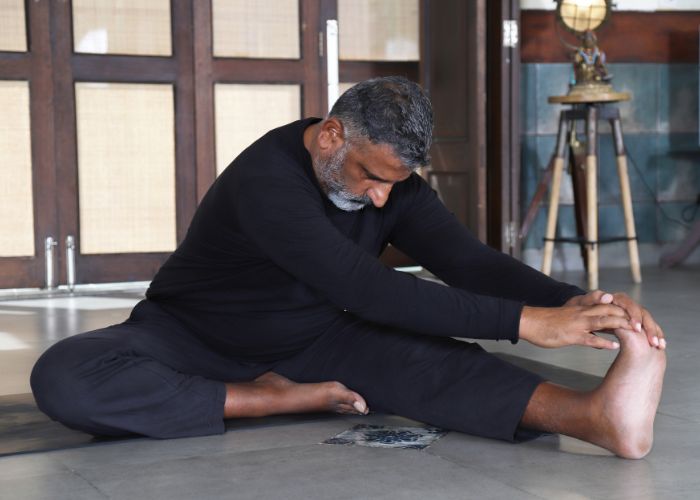
At the heart of The House of OM lies its central practice space: Room Samasthiti. In yoga, Samasthiti represents balance, stillness, and alignment— the very essence of the practice. This is where movement becomes awareness. Where breath becomes guidance. Where you return to yourself.
Energy in Every Detail

The House of OM carries stories within its walls.

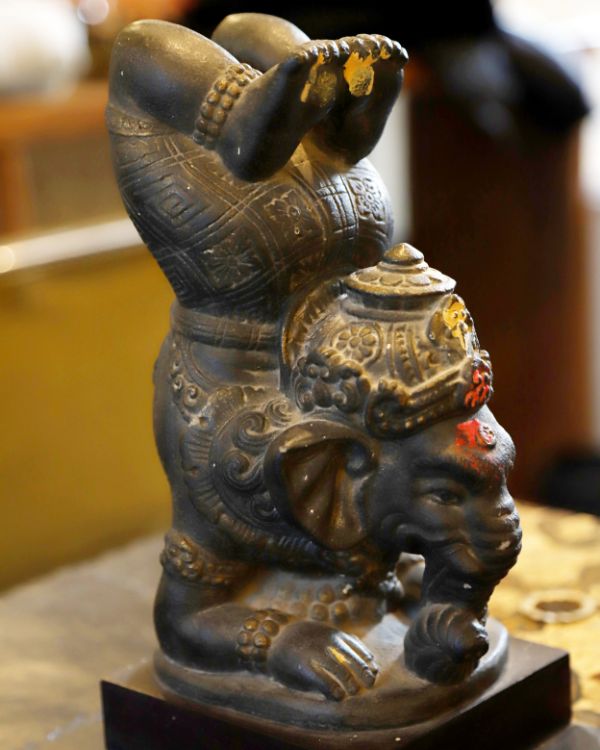
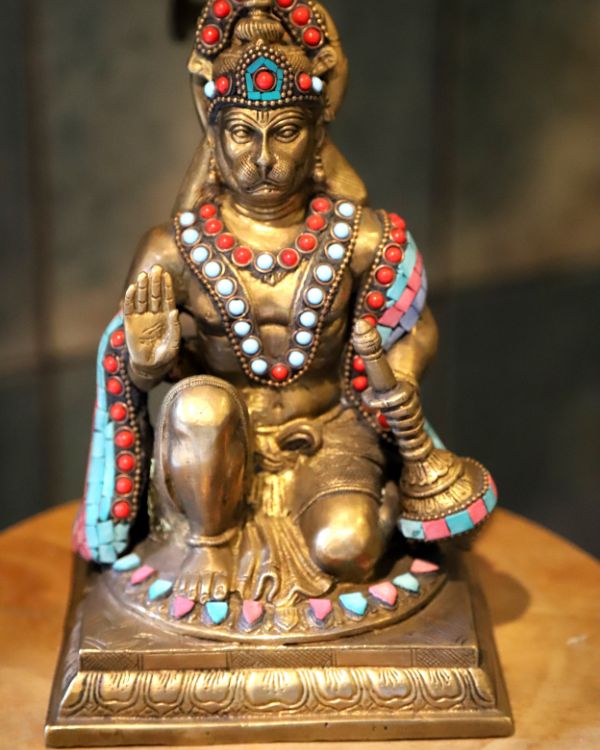
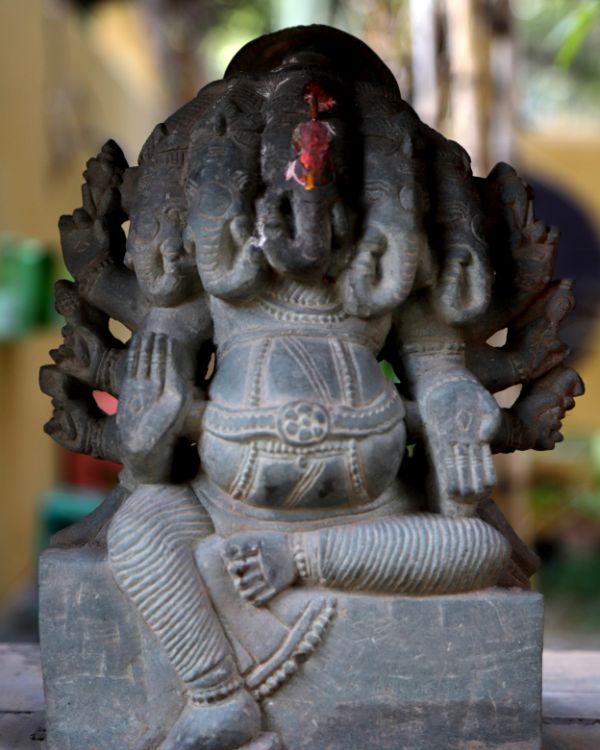
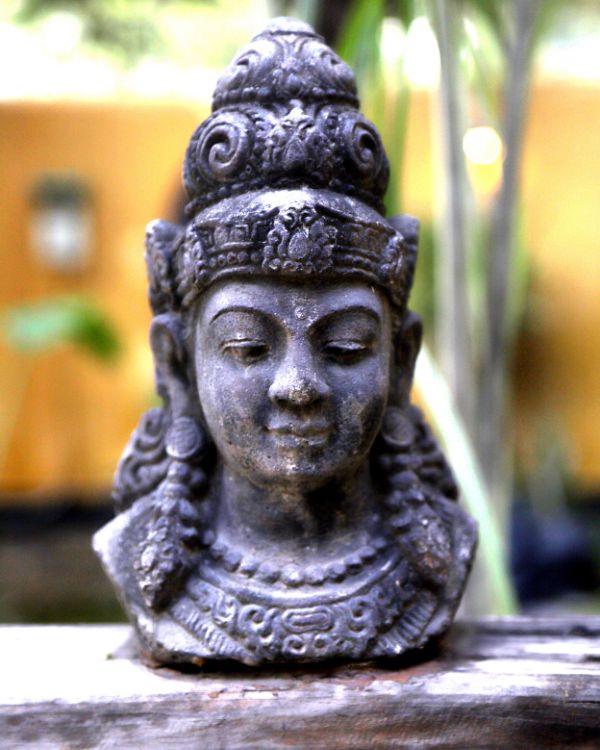
Collected from journeys across India and Bali,
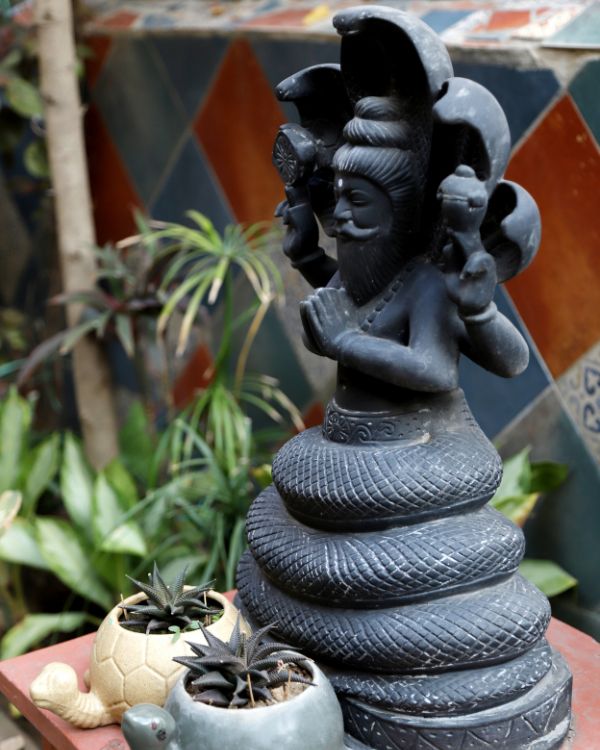
the space holds handpicked sculptures and sacred pieces that quietly shape its energy.

house of om idol

These are not decorations.
They are presence, memory, and energy.

house of om idol 2
house of om idol 3
house of om idol 4
house of om idol 5

An Invitation, Not an Offering

The House of OM is not designed for volume.
It is designed for depth.

Those who come here, come with intention.
And often, they return—
not out of habit, but because something within them shifts.

Scroll to Top